Introduction to Private Space Launch: Reshaping the Space Industry
Defining Private Space Launch
Private space launch encompasses rocket missions conducted by commercial companies rather than government agencies like NASA or ESA. These ventures focus on sending payloads to space using privately developed rockets and spacecraft. The shift represents a major change from traditional state-controlled space programs to market-driven enterprises. Companies now build their own launch vehicles, operate spaceports, and serve both commercial and government customers.
This commercial approach has opened space access to businesses worldwide. Satellite operators, research institutions, and even tourists can now book flights to orbit. The competitive nature of private space launch has sparked rapid innovation in rocket design and manufacturing processes. Companies must deliver reliable, cost-effective services to survive in this growing market.
A New Frontier for Business and Innovation
Commercial space companies are creating entirely new markets and opportunities. Space tourism allows ordinary people to experience weightlessness and see Earth from above. Satellite deployment services help businesses provide internet, GPS, and communication services globally. Research missions aboard space stations offer unique environments for scientific experiments.
Entrepreneurs are finding creative ways to reduce launch costs through reusable rockets and streamlined manufacturing. Competition between companies drives technological advancement at a pace government programs rarely matched. This business-focused approach attracts private investment and accelerates development timelines for space projects.
Key Takeaways
- The private sector now plays a major role in space access and exploration
- Companies compete to offer the most reliable and affordable launch services
- New business opportunities continue emerging across satellite deployment, space tourism, and orbital research
- Government partnerships remain important for regulatory support and major contracts
- Private space launch has made space more accessible than ever before for both businesses and individuals
A Storied Journey: Key Milestones in Private Spaceflight
The Genesis of Commercial Space (Pre-1980s)
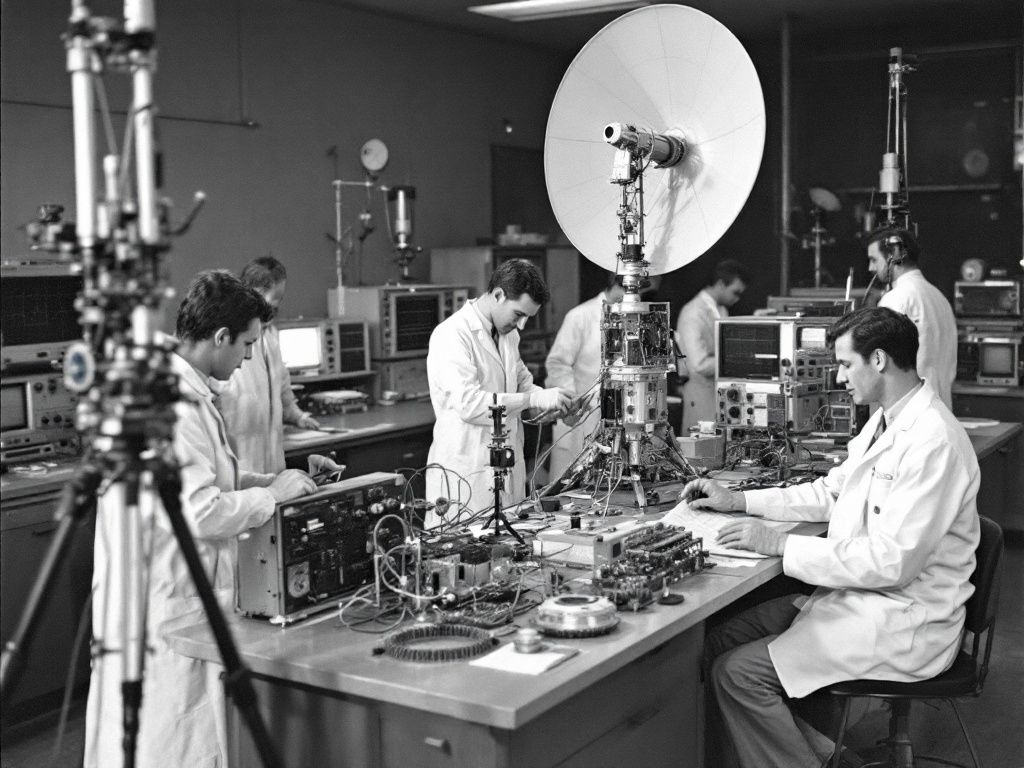
Early private efforts in space began with amateur satellite projects and commercial communication systems. OSCAR 1 showed that non-government groups could successfully build and operate satellites. Telstar 1 proved that commercial satellite communications could be profitable and practical. The Communications Satellite Act of 1962 established legal frameworks for private space activities.
OTRAG attempted to develop private rocket systems during this period, though with limited success. These early projects inspired future entrepreneurs and demonstrated that space activities didn’t require massive government programs. The groundwork laid during these decades would prove essential for later commercial space ventures.
The Dawn of Commercial Launch Services (1980s-1990s)
The 1980s marked a turning point for commercial space activities. Conestoga I became the first privately owned rocket to reach space, proving that commercial companies could develop working launch vehicles. Arianespace established itself as the world’s first commercial launch service provider, setting the template for future companies.
The Commercial Space Launch Act of 1984 provided crucial legal support for American private space companies. This legislation clarified regulations and reduced barriers to entry for commercial launch providers. Pegasus achieved another milestone as the first fully privately developed orbital launch vehicle. These developments showed that private companies could compete with government space programs in terms of capability and reliability.
Did these early successes predict today’s thriving commercial space industry?
The foundation established during this era made possible the space companies we know today.
The NewSpace Era: Reusability and Human Spaceflight (2000s-Present)
Space tourism took its first steps when Dennis Tito paid for a trip to the International Space Station. SpaceShipOne won the Ansari X Prize by completing the first private crewed suborbital flights. These achievements captured public attention and showed that private companies could safely transport people to space.
SpaceX changed the industry with Falcon 1, the first privately developed liquid-fueled rocket to reach orbit. The Dragon capsule later became the first commercial spacecraft to return safely from orbit and dock with the space station. Falcon 9’s reusable first stage reduced launch costs dramatically by landing back on Earth for refurbishment and reuse.
Blue Origin’s New Shepard demonstrated reliable vertical takeoff and landing for suborbital tourism flights. The system has flown numerous missions with passengers, proving the safety of commercial human spaceflight. Recent missions like Inspiration4 have sent all-civilian crews to orbit for multi-day flights. Axiom Space now operates fully commercial crewed missions to the space station.
The IM-1 Odysseus mission achieved the first successful private lunar landing in 2024. This milestone opened the door for commercial lunar exploration and resource utilization. Private space launch has evolved from experimental ventures to routine commercial operations serving diverse customers worldwide.
Leading the Charge: Key Players in Private Space Launch
SpaceX: The Industry Game-Changer
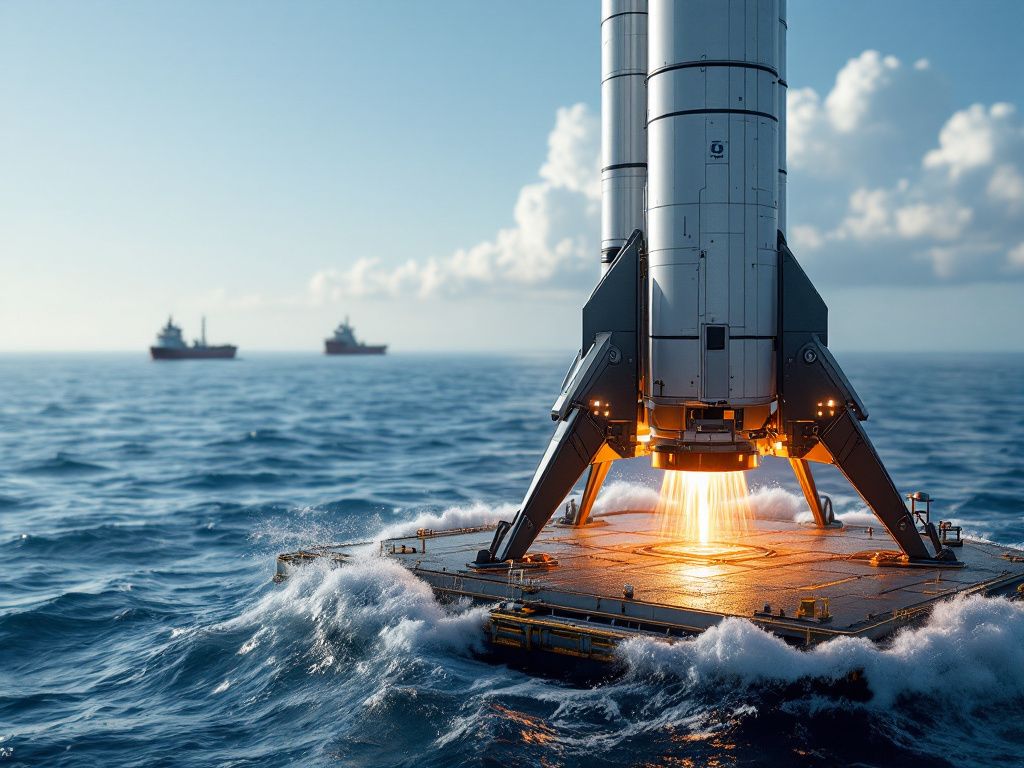
SpaceX has changed how the world thinks about rocket launches through its reusable Falcon 9 system. The company successfully lands rocket boosters back on Earth, refurbishes them, and flies them again. This approach has cut launch costs significantly compared to traditional expendable rockets. Starship, their next-generation vehicle, aims to make space travel even more affordable and routine.
Dragon and Crew Dragon capsules regularly transport cargo and astronauts to the International Space Station. NASA now relies on SpaceX for crew transportation after retiring the Space Shuttle program. The company has completed dozens of successful missions, establishing itself as a reliable partner for both government and commercial customers.
SpaceX’s ambitious plans include lunar missions and eventual Mars colonization. Their rapid development pace and willingness to test new concepts has inspired competitors and accelerated industry progress. The company continues to push boundaries in rocket design and space exploration capabilities.
Blue Origin: Methodical Innovation
Blue Origin focuses on gradual, methodical advancement in space technology. New Shepard has completed numerous suborbital flights, demonstrating consistent safety and reliability. The rocket system lands vertically after each flight, allowing for rapid turnaround and reuse. Passengers experience several minutes of weightlessness and spectacular views of Earth.
The company is developing New Glenn for orbital missions and satellite deployment. This larger rocket will compete with Falcon 9 and other commercial launch vehicles. Blue Origin emphasizes safety above speed, taking time to thoroughly test each system before moving to the next development phase.
Their approach appeals to customers who prioritize proven reliability over cutting-edge performance. Blue Origin’s steady progress shows that multiple business models can succeed in private space launch.
Legacy Providers and Emerging Competitors
| Company | Primary Focus | Key Achievement | Current Status |
|---|---|---|---|
| SpaceX | Reusable rockets, Mars missions | First private company to transport NASA astronauts | Routine ISS missions, Starship development |
| Blue Origin | Suborbital tourism, methodical development | Successful reusable suborbital flights | New Glenn orbital rocket in development |
| United Launch Alliance | Government/military launches | Excellent reliability record | Transitioning to Vulcan Centaur |
| Virgin Galactic | Space tourism | Alternative air-launched approach | Operating commercial tourism flights |
| Rocket Lab | Small satellite launches | Dedicated small-sat launcher | Expanding global operations |
United Launch Alliance combines Boeing and Lockheed Martin’s experience in government launch services. Their Atlas V and Delta rockets have maintained excellent reliability records for military and NASA missions. ULA serves customers who need guaranteed mission success for high-value payloads. The company is developing Vulcan Centaur to compete more effectively in the commercial market.
Northrop Grumman Innovation Systems operates the Pegasus air-launched rocket and builds Cygnus spacecraft for space station resupply. Their systems fill specific niches in the launch market. Virgin Galactic offers suborbital space tourism flights with a different approach than Blue Origin’s vertical launch system.
Axiom Space operates commercial astronaut missions and plans to build the first commercial space station. Rocket Lab provides small satellite launch services from New Zealand and the United States. Firefly Aerospace, Relativity Space, and Astra are developing new rocket technologies and manufacturing approaches.
How will these diverse companies shape the future of commercial spaceflight?
This competitive environment drives innovation and gives customers more options for space access.
The Foundation: Government’s Role, Regulation, and Partnerships

Shaping the Regulatory Framework
Government legislation has created the foundation for successful private space launch operations. The Communications Satellite Act of 1962 first allowed commercial satellite operations. The Commercial Space Launch Act of 1984 established licensing procedures for private rocket launches. The SPACE Act of 2015 clarified property rights for resources extracted from asteroids and other celestial bodies.
The Federal Aviation Administration’s Office of Commercial Space Transportation licenses and monitors commercial launches. They ensure public safety while allowing companies flexibility to innovate. The “learning period” for commercial human spaceflight gives companies time to develop safety procedures without excessive regulation.
This regulatory approach balances innovation with public safety concerns. Companies can pursue new technologies while meeting basic safety requirements. The framework continues evolving as private space activities expand and mature.
“The regulatory environment has been crucial to our success. The FAA’s balanced approach allows innovation while maintaining safety standards.” – Gwynne Shotwell, President and COO of SpaceX
NASA’s Changing Partnership Model
NASA has shifted from operating its own spacecraft to purchasing services from commercial providers. The Commercial Orbital Transportation Services program helped companies develop cargo delivery capabilities. The Commercial Crew Program enabled private companies to transport astronauts to the space station.
This customer relationship allows NASA to focus resources on deep space exploration while maintaining space station access. Private companies benefit from steady government contracts that help fund their development costs. The arrangement has proven successful for both sides, with reliable cargo and crew services now available.
NASA’s Artemis program continues this partnership model for lunar missions. Private companies will provide landing systems and other services for moon exploration. This approach spreads development costs across multiple participants while advancing space exploration goals.
Addressing Regulatory Challenges
Rapid growth in private space launch creates new regulatory challenges that require ongoing attention. Safety standards must evolve with new technologies while maintaining public protection. Legal questions arise about liability, orbital debris, and access to launch facilities. Some worry about potential monopolies in critical space infrastructure.
International coordination becomes more complex as private companies operate globally. Different countries have varying regulations and safety requirements. Companies must navigate multiple regulatory systems to serve international customers.
Are current regulations keeping pace with technological advancement?
Industry leaders and policymakers work together to address these challenges constructively. Regular dialogue helps ensure regulations support innovation while protecting public interests.
Fueling the Future: Investment Trends and Economic Impact
Growing Private Investment
Private capital has poured into space companies at record levels in recent years.
| Time Period | Investment Amount | Focus Area |
|---|---|---|
| 2015 | $1.8 billion | Space startups |
| 2020-2023 | $50+ billion | All space-related companies |
Wealthy individuals and institutional investors see significant potential in commercial space ventures.
Reusable rockets and scalable manufacturing attract investor interest by promising sustainable business models. Lower launch costs enable new markets for satellite services, space tourism, and orbital research. Companies can demonstrate clear paths to profitability rather than relying solely on government funding.
This investment surge supports rapid technology development and market expansion. Startups can develop new rocket designs and space services with private backing. Established companies use investment funds to scale operations and pursue ambitious projects.
Economic Benefits of Technology Advancement
Reusable rocket technology has dramatically reduced the cost of reaching space. SpaceX’s Falcon 9 costs significantly less per launch than traditional expendable rockets. 3D printing and automated manufacturing further reduce production expenses and development timelines. These innovations make space access affordable for more customers.
Lower costs enable a growing low-Earth orbit economy centered on satellite services. Companies can profitably deploy large satellite networks for internet service, Earth observation, and communications. Research organizations can afford more frequent experiments aboard space stations.
Advanced manufacturing techniques developed for space applications often benefit other industries. Lightweight materials, precision manufacturing, and automated systems find uses in aviation, automotive, and electronics sectors.
Global Market Growth
Launch frequency has increased dramatically worldwide, with American companies leading this growth. SpaceX alone launches more rockets per year than entire countries managed previously. The focus has shifted toward small and medium-lift rockets that serve the growing small satellite market.
International customers increasingly choose American commercial launch providers for their missions. This trend strengthens the United States’ position in the global space economy. Other countries are developing their own commercial space capabilities to compete in this expanding market.
What does this rapid growth mean for the future of space commerce?
The trend toward more frequent, lower-cost launches continues accelerating as new companies enter the market.
The Road Ahead: Future Prospects and Challenges

Expanding Beyond Earth Orbit
Private space companies are planning missions far beyond low-Earth orbit destinations. SpaceX aims to land crew and cargo on Mars within the next decade. Blue Origin is developing lunar landing systems for NASA’s Artemis program. Several companies are working on commercial space stations to replace the International Space Station.
“The next decade will see private companies not just launching to space, but actually building the infrastructure for a permanent human presence beyond Earth.” – Dr. Mary Lynne Dittmar, President of the Coalition for Deep Space Exploration
Asteroid mining represents a potential future market worth trillions of dollars. Companies are developing technologies to extract water, metals, and rare elements from near-Earth asteroids. In-orbit manufacturing could produce materials impossible to create under Earth’s gravity. Space tourism may expand to include lunar flights and extended orbital stays.
These ventures require significant technological advances and financial investment. Success could open entirely new sectors of the space economy. Private space launch will be essential for supporting these ambitious projects.
“What SpaceX has achieved with reusability is a fundamental breakthrough in space access. They’ve proven that commercial companies can not only compete with government agencies but exceed their capabilities.” – Eric Berger, Senior Space Editor at Ars Technica
Environmental and Ethical Considerations
Increased launch frequency raises concerns about environmental impact and space sustainability.
- Rocket engines produce emissions that may affect Earth’s atmosphere
- Space debris from failed missions and old satellites poses risks to active spacecraft
- Ethical questions about access to space resources and celestial body ownership
- Need for international cooperation on space exploration benefits
Ethical questions arise about access to space resources and celestial body ownership. Should wealthy nations and companies control lunar and asteroid resources? How can space exploration benefits be shared equitably worldwide? These issues will require international cooperation and careful policy development.
Companies are developing cleaner rocket fuels and debris removal technologies. Reusable rockets reduce waste compared to expendable vehicles. Industry groups are creating guidelines for responsible space operations and debris mitigation.
How can we balance commercial growth with environmental protection?
Continued dialogue between industry, government, and international partners will shape policies for sustainable space development.
Conclusion
Private space launch has fundamentally changed how humanity accesses and uses space. Commercial companies now provide reliable, cost-effective launch services that were unimaginable just decades ago. Reusable rockets, competitive pricing, and innovative business models have made space accessible to a growing range of customers.
The industry continues expanding beyond traditional satellite deployment into space tourism, research, and exploration. Government partnerships support this growth while allowing agencies to focus on deep space missions. Investment capital flows into space ventures at record levels, funding rapid technological advancement.
Future prospects include lunar bases, Mars missions, and commercial space stations. However, success will require addressing environmental concerns and ensuring equitable access to space resources. The collaboration between private companies, government agencies, and international partners will determine how well we navigate these challenges.
“We’re at an inflection point where space is no longer the exclusive domain of governments. Private enterprise is opening up possibilities we couldn’t have imagined just 20 years ago.” – Jeff Manber, CEO of Nanoracks
Private space launch has opened space to humanity in ways previous generations could only dream about. This new era promises continued advancement and expanding opportunities for exploration, commerce, and scientific discovery beyond Earth.
FAQs
What is the Primary Difference Between Private and Government Space Launches?
Private space launches are operated by commercial companies focused on profit and market competition. Government launches prioritize national security, scientific research, and policy objectives. Commercial providers must attract customers through competitive pricing and reliable service, while government programs receive taxpayer funding for specific missions.
How Has Private Space Launch Reduced Costs?
Reusable rocket technology allows companies to fly the same booster multiple times instead of building new rockets for each mission. Advanced manufacturing techniques like 3D printing reduce production time and material waste. Competition between companies drives down prices as each tries to offer better value to customers.
“The cost reduction we’ve seen from reusable rockets is just the beginning. As the technology matures and competition increases, we expect launch costs to drop even further.” – Carissa Christensen, CEO of BryceTech
What Are the Main Ethical Concerns Surrounding Private Spaceflight?
Key concerns include unequal access to space opportunities based on wealth and geography. Environmental impact from increased launch activity and space debris creation worries scientists. Questions arise about private ownership of celestial resources and whether space exploration should prioritize profit or scientific advancement. International cooperation will be needed to address these challenges fairly.